


Leave it
wilder.
The places that make a good pour worth it don't look after themselves. Here's how we treat them, and how you can too.
Why it matters
Out here, the wild is the point.
We make whiskey for the end of a long day outside, in country that took a very long time to get this good. Rockies, Tetons, Yellowstone, the Ozark rivers. It only stays that way if the people who love it look after it.
None of these eight habits are new. All of them matter. Most of them we learned from people who know this ground far better than we do, and you'll find them further down the page.


Tips for protecting the wild
Eight ways to
leave it wilder.
Wyoming, Colorado and Missouri rules differ. Check the park or land you're on before you go.
-
 By the fire
Build fires responsibly
Check fire restrictions first. In the Rockies they change through the season. Use an existing fire ring, keep water close and never leave it. Put it out properly: drown, stir, feel. If it's too hot to touch, it's too hot to leave.
-
 By the fire
Burn local wood
Buy firewood where you burn it. Wood brought from home can carry pests that kill trees. Only gather dead wood that's already down, and only where it's allowed.
-
 Around wildlife
Give wildlife room
Bison and elk aren't pets. In Yellowstone that means 100 yards from bears and wolves and 25 from everything else. If an animal changes what it's doing because of you, you're too close.
-
 Around wildlife
Keep a clean camp
In bear country, store food and anything that smells properly, and pack out every scrap. Keep bear spray handy, not in your pack.
-
 On the land
Leave gates as you find them
Out here, open country is often working land. A gate left open can mean cattle on the highway by morning. Find a gate open, leave it open. Find it shut, shut it. And know whose land you're on: Wyoming mixes public and private ground.
-
 On the land
Stay on the trail
Alpine meadows take years to grow back. In Yellowstone's thermal areas, the ground off the boardwalk can be a thin crust over scalding water. The trail is there for a reason.
-
 On the land
Leave what you find
Wildflowers, rocks, antlers. Take the photo and leave the rest. Even antlers have a season in Wyoming: collecting shed antlers on public land west of the Divide is closed from January to May.
-
 End of the day
Pour at the end of the day
The tools go away before the bottle comes out. Pour into a glass or campaign mug and pack away what you bring.


Two rules worth knowing by heart
Drown it. Stir it.
Feel it.
Drown
Plenty of water, until the hissing stops.
Stir
Stir the embers so nothing is left smoldering. Then drown it again.
Feel
Back of your hand just above the ashes. Dirt or sand alone won't put it out.
If it's too hot to touch, it's too hot to leave.
Nate's rule, every night.


Yellowstone rule
100 yards
bears, wolves & cougars
25 yards
bison, elk & everything else
If an animal changes what it's doing because of you, you're too close.

End of the day
Pack it out.
Then pour one.
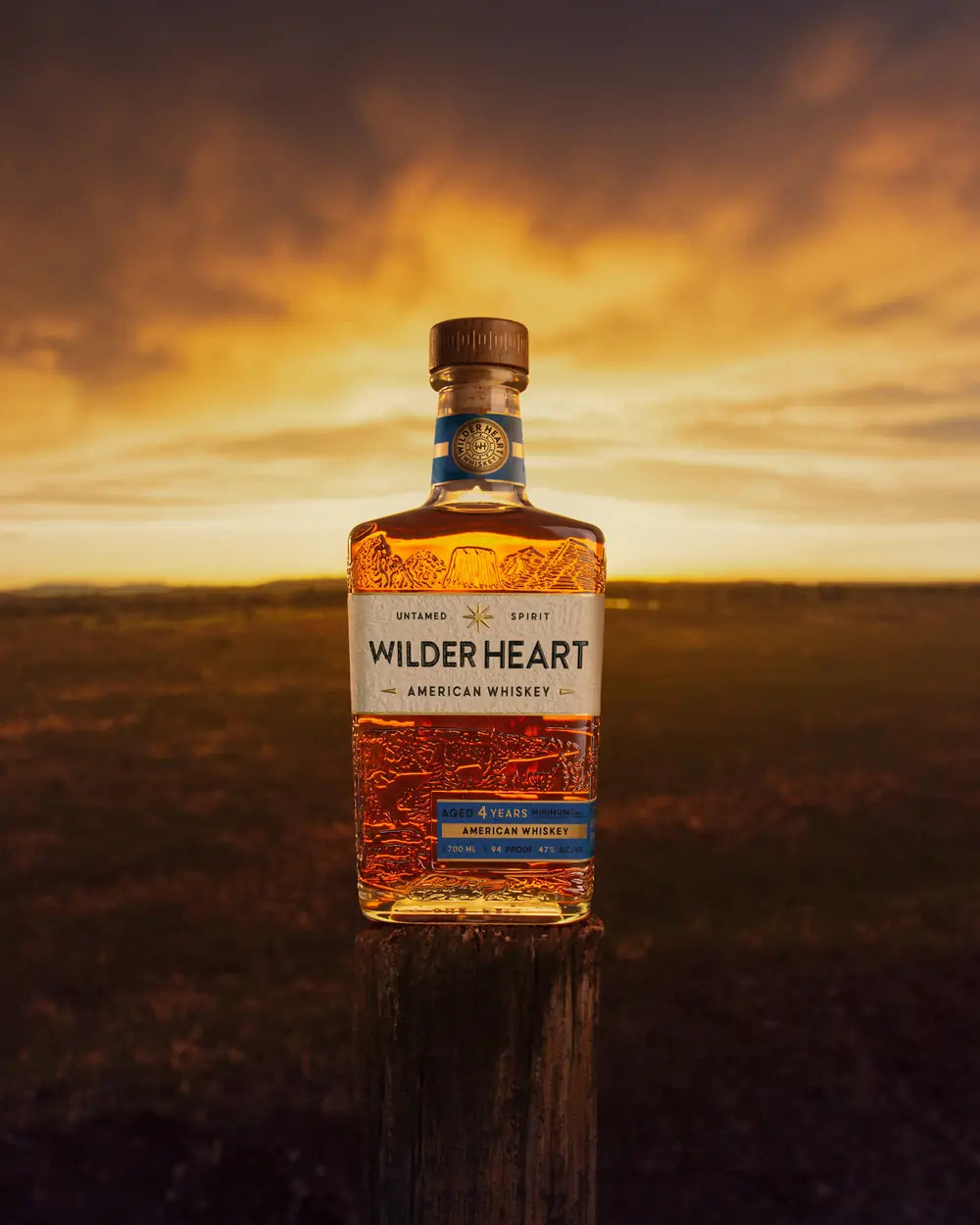
The tools go away before the bottle comes out. Run the list, pack away what you brought, then pour into a glass or campaign mug.

Before you head home
The pack-it-out list

- Fire drowned, stirred and cold to the touch
- Every scrap of food packed out
- Trash bagged and coming home with us
- Gate left how we found it
- Rocks, flowers and antlers left where they lie
- Trail left clear
- Tools away. Now pour one.
leave it wilder than you found it
Where to find out more
People who know
this better than us.
Conditions, closures and rules change through the season. These are the people to check with before you head out.
Field guide
Quick questions
Top questions, answeredHow close can you get to wildlife in Yellowstone?
Stay at least 100 yards from bears, wolves and cougars, and at least 25 yards from bison, elk and other wildlife. These are park rules, and they apply at all times.
How do you put out a campfire properly?
Drown the fire with plenty of water until the hissing stops. Stir the embers with a shovel so nothing is left smoldering, then drown it again. Finally, feel for heat with the back of your hand held just above the ashes. If it's too hot to touch, it's too hot to leave. Dirt or sand alone won't put it out.
Source: Smokey Bear, USDA Forest Service
Can I bring my own firewood camping?
Better not. Firewood moved long distances can carry invasive insects and diseases that kill trees. Buy it close to where you'll burn it, choose certified heat-treated wood, or gather it on site where that's allowed.
Source: Don't Move Firewood
What should you do if you see a bear?
Keep your distance and stay calm. Talk in a low voice so it knows you're human, and back away sideways while watching it. Don't run or climb a tree. Pick up small children, never get between a mother and her cubs, and never let a bear get your food. Carry bear spray and know how to use it.
Can I take rocks, flowers or antlers home from a national park?
No. Leave rocks, plants and other natural objects as you find them, and photograph historic artifacts rather than touching them. Outside the parks, Wyoming also restricts shed antler collecting on public land west of the Continental Divide from January 1 to early May.
Sources: National Park Service, Leave No Trace and Wyoming Game & Fish
The pledge
Leave the gate how you found it, the fire cold and the trail clear.
It isn't a contract. It's a promise to the places that make a good pour worth it. Put your name to it and take it with you.


